
Institutional clients
Cut diesel without buying equipment
Telecoms operators, banks, hospitals, manufacturers and commercial estates running generator fleets.
Request a baselineManaged Energy Transition · Nigeria
Battery storage and solar that carry your sites through grid outages, so generators stop being the default. We finance, build, own and operate the system. You pay for the energy delivered, under a long-term contract priced against what diesel costs you today.
Prefer WhatsApp? Message us on +234 911 911 1119
Illustrative. Grid hours and system coverage vary by site and are set by measurement.
Who we work with
Institutional clients
Telecoms operators, banks, hospitals, manufacturers and commercial estates running generator fleets.
Request a baselineCapital partners
Development finance institutions, commercial lenders and equity investors into long-term energy service agreements with institutional offtakers.
How we structureTechnology and delivery partners
Storage and solar manufacturers, EPC contractors and O&M providers supplying multi-site programmes to defined specifications.
Work with usPublic sector
Ministries, agencies and state institutions buying energy as a metered service.
Talk to usWhy now
Generators were the answer to an unreliable grid. Fuel cost, mandatory climate disclosure and national transition policy have turned them into a liability that boards have to explain.
of Nigerian firms own or share a generator. Outages cost businesses about 3% of annual sales.
AfDB, African Economic Outlook 2026IFRS S1 and S2 sustainability disclosure applies to reporting periods from this date for public interest entities, including listed companies and banks.
FRC Nigeria roadmap; SEC Nigeria, Sept 2026of diesel decentralised generators targeted for phase-out by 2030 under the national Energy Transition Plan.
Nigeria ETP, via SEforALLper litre: refinery gantry price for diesel from 10 October 2026, before transport to site.
Dangote Refinery, as reported 11 Oct 2026Sources: AfDB African Economic Outlook 2026, via The Guardian Nigeria; SEC Nigeria circular on IFRS Sustainability Disclosure Standards; SEforALL, Nigeria Energy Transition Plan; depot price report, 11 October 2026.
The choice
The technology is similar in each case. What changes is who pays up front, who carries the performance risk, and who answers for the emissions line in your disclosure.
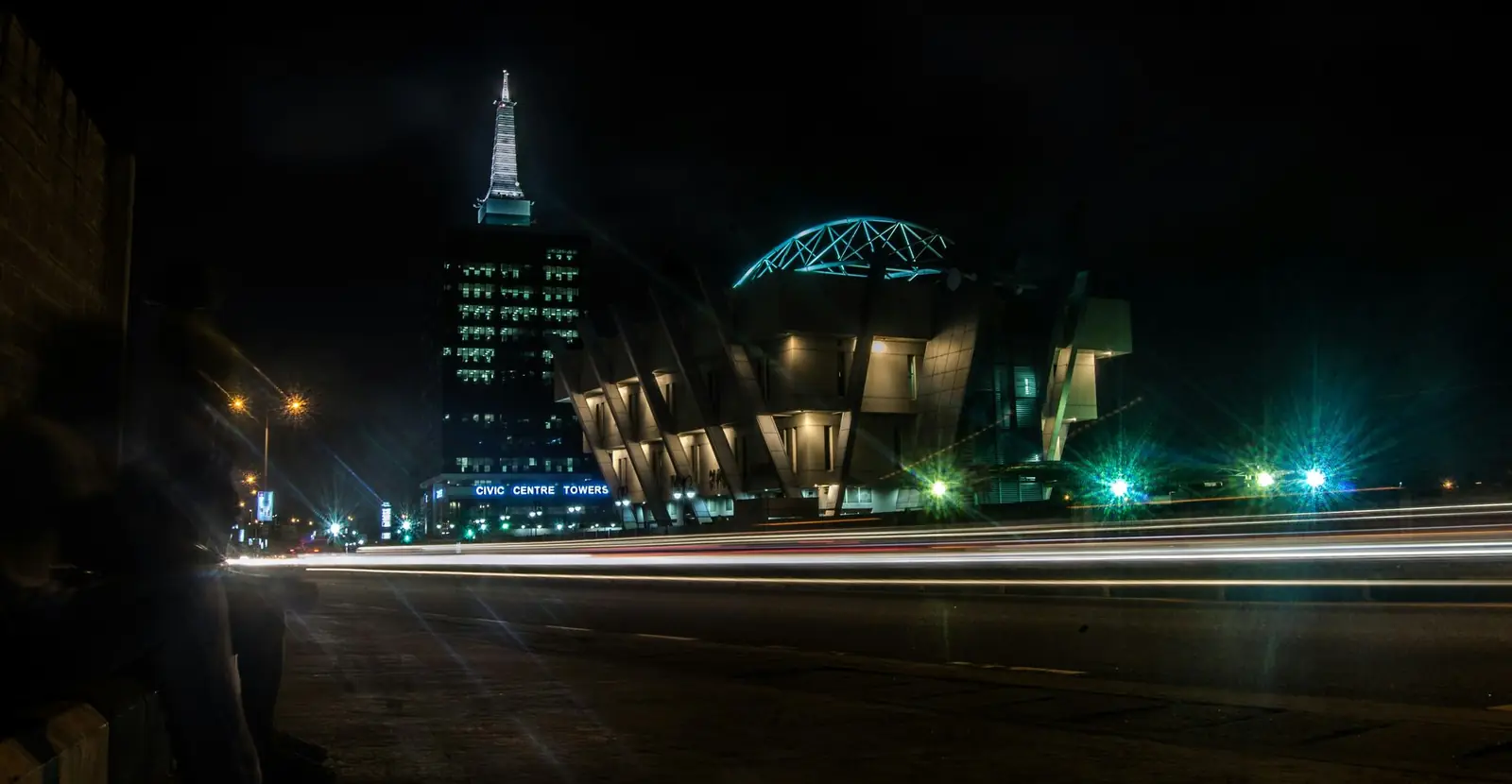
Institutional load does not stop when the grid does. Today, diesel covers the gap.
How it works
You provide site access and the existing utility connection. Assessment, capital, procurement, installation, operation and reporting sit with us.
We meter load, grid hours and actual diesel use at each site, and size the system to measured demand.
We raise and carry the capital with our financing partners. No capital outlay from you.
Tier 1 storage and solar, installed by qualified Nigerian EPC partners under independent engineering oversight.
We own, monitor and maintain the assets for the life of the agreement. Performance risk stays with us.
Metered, site-level diesel displacement and emissions, delivered on a schedule built for external assurance.
No commitment until a proposal is on the table, and your site information stays under a signed confidentiality agreement.
Diesel and emissions baseline, at our cost
We meter diesel use and emissions at up to three of your sites, at our cost. You keep the report whether or not you go further.
For institutions in Nigeria operating five or more generator-backed sites, or a single facility with 250 kVA or more of installed generation. We take on a limited number of baselines each quarter, prioritised by programme fit.
| Diesel consumed | 3,840 litres |
|---|---|
| Generator run hours | 286 hours |
| Energy from generator | 11,520 kWh |
| Fuel cost (at ₦1,900 per litre delivered) | ₦7,296,000 |
| Fuel cost per kWh | ₦633 |
| Scope 1 emissions | 10.2 tCO₂e |
Illustrative figures, not a client site. Emissions at 2.66 kg CO₂e per litre of diesel (UK DESNZ conversion factors, 2026).
Diesel cost calculator
Most institutions know their monthly fuel bill but not their cost per unit of energy. Enter one site's figures to see it.
Fuel only. Generator maintenance, replacement, logistics and fuel losses add to this. Uses your figures only; this is not a Mansa Energy quote. Emissions at 2.66 kg CO₂e per litre.
Get it measured at your sitesThe equipment
We specify storage and solar only from manufacturers on BloombergNEF’s Tier 1 lists for their category. Supplier identities are shared with counterparties under confidentiality agreements.
Battery storage
Lithium iron phosphate in vertical, modular outdoor cabinets from BloombergNEF Tier 1 storage manufacturers. A small footprint for constrained sites, added cabinet by cabinet to match measured demand, with state-of-health warranties specified for the contract term.
Solar generation
High-efficiency modules from BloombergNEF Tier 1 manufacturers, sized so that solar charges storage first. That priority decides how much diesel a site actually displaces.
Monitoring and control
Remote monitoring and solar-first control produce the site-level meter record behind every invoice and every emissions report.
Certification, warranty and performance terms are fixed in the supply contract and verified at factory and site acceptance, before any equipment enters a financed programme.
Sectors
Programme and site detail is shared with counterparties under signed confidentiality agreements.
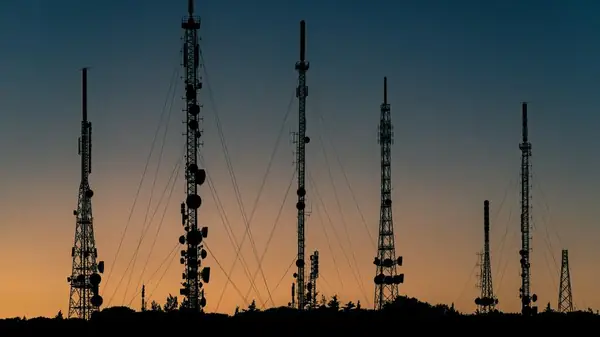
Network facilities and data centres that carry continuous load, where diesel is one of the largest operating costs and downtime breaches service commitments.

Branch networks, head offices and data centres, where a distributed generator fleet is the hardest line to defend in a climate disclosure.
Sites where an outage costs more than the fuel, and where capital is better spent on the core business.
For lenders and partners
Every cost line in a Mansa Energy model carries a status as well as a number, so lenders and manufacturers see which figures are modelled, which are quoted and which are contracted.
A modelled assumption, disclosed as one, used to size a programme before suppliers are engaged.
A supplier's offered price replaces the assumption before financial close.
Secured in an executed agreement, with warranty and performance obligations sized to the debt term.
Lenders and investors
Manufacturers, EPC and O&M partners
Government and public bodies
Programme information, financial models and supplier terms are shared with qualified counterparties under a mutual confidentiality agreement.
Request a programme briefingGovernance and assurance
Every programme is prepared to the evidentiary standard that development lenders, auditors and credit committees apply, from the first site survey to the last report.
Engineering
Before financial close, system design, supplier documentation and acceptance testing are reviewed by an independent COREN-registered engineer.
Legal
Every supply, service and financing agreement is reviewed by Nigerian energy and finance counsel before execution, with international counsel where the financing requires it.
Confidentiality
Mutual confidentiality agreements before any site data, model or supplier term changes hands. Client identities are never shared without consent.
Integrity
Know-your-counterparty and sanctions screening required of every supplier, contractor and financing party, with anti-corruption undertakings written into our contracts.
Environment and social
Programmes designed to the IFC Performance Standards, with an environmental and social management system in place before first financial close and battery end-of-life planned from the design stage.
Data
Invoices, performance reports and emissions figures all drawn from the same site meter data, so every number can be traced to its source.
Advisers and counsel are identified to counterparties during diligence, under confidentiality.
Leadership
Founder and Chief Executive Officer, Mansa Energy. Group Chief Executive, Kaarakata Group.
Segun founded Mansa Energy on the view that diesel dependency in Nigeria is a financing and structuring problem more than a technology one. He leads the company’s work with global storage and solar manufacturers, institutional offtakers and capital providers, and holds every technical and commercial term to one test: it must survive independent engineering review and credit committee scrutiny.
He has led Kaarakata Group since founding it in 2010, building a group active across 14 countries. A computer science graduate of the Federal University of Technology, Akure, he began his career in infrastructure engineering with the EPC contractor on Ondo State’s SITADEC programme, commissioning earth-station, wireless and data-centre systems, before advising the State Governor’s Office on its network infrastructure through to handover.
White paper
IFRS S2 and the Nigerian generator estate
For reporting periods from 1 January 2028, a public interest entity’s generator estate enters its IFRS S2 Scope 1 disclosure. Energy decisions taken before then set what boards disclose for the decade after. The paper sets out what changes, when, and what a compliance-grade energy programme has to deliver.
Contact
If diesel is a material line in your operating cost, your emissions report or your investment mandate, we should talk. We reply within two working days.